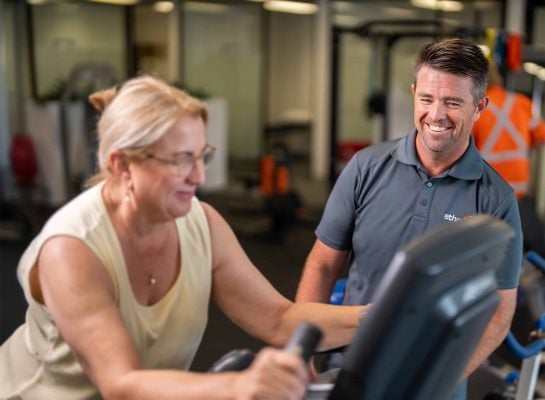
Our Accredited Exercise Physiologists provide personalised exercise programs tailored to your health goals, abilities, and lifestyle. Using the latest evidence-based research and best practice guidelines, we help you move better, build confidence and improve your overall wellbeing.
When should you see an AEP?
An Accredited Exercise Physiologist can help you safely manage and prevent chronic conditions, recover from musculoskeletal injuries, support neurological conditions, reduce falls risk and achieve healthier weight management through personalised exercise strategies.
Newcastle community focused care
Centre of Excellence for allied health
Modern, purpose-built, fully equipped clinic
Holistic, research-driven treatment
Meet our team of Exercise Physiologists
Loading clinicians...
How our Exercise Physiologists can help you...
Manage a Health Condition
Rehab and Recovery
Healthy Ageing
Our Exercise Physiology services
Chronic Diseases
We help individuals with a range of health conditions, such as cardiovascular disease, diabetes, lung disease, osteoporosis, and cancer. We also include exercises designed to alleviate treatment-related side effects from surgeries and therapies.
Injury Recovery and Neurological Disorders
Accredited Exercise Physiologists have specialised skills to help manage chronic pain and dysfunction caused by conditions like osteoarthritis, lower back pain, work injuries, and postural pain syndromes. We also aid in recovery from strokes and traumatic or acquired brain injuries, so you can maximise strength and mobility for optimal function.
Weight Management
Our AEP’s work in collaboration with our Accredited Practising Dietitians by designing exercise programs that are enjoyable, achievable, and tailored to your weight management goals.
Falls Prevention
By performing falls prevention exercises in the clinic and your home, we can assist in maintaining independence and overall health.
Pregnancy
Our Accredited Exercise Physiologists provide exercise plans for pregnancy that are safe and beneficial to you and your baby. Exercise during pregnancy can prevent gestational diabetes, improve energy and mood, prevent and treat musculoskeletal pain, and prepare for labour and beyond.
Our Exercise Physiology classes
Cancer-Fit (C-Fit) - Training Through Treatment
Did you know the right prescription of exercise supports treatment outcomes and reduces side effects during treatment for cancer? C-Fit is a small group exercise class for people preparing for, undergoing or following radiation therapy, immunotherapy, or chemotherapy. These classes are delivered in our Clinic or via video conference. Please contact us about suitability and session times.
Joint-Fit - Exercise for Osteoarthritis
Joint-Fit is a supportive and evidence-based exercise class designed specifically for adults at any stage of osteoarthritis — whether you’re newly diagnosed, preparing for or recovering from joint surgery, managing chronic symptoms, or bouncing back from a flare-up.
Led by Accredited Exercise Physiologist Emma Rogers, each session is tailored to your individual capacity and condition stage, with a focus on improving joint mobility, building strength, managing pain, and boosting confidence. All fitness levels are welcome, and sessions are grounded in safe, targeted movement.
Please note that new clients (not previously assessed by a Physiotherapist or Exercise Physiologist) must book an initial appointment with an Exercise Physiologist before commencing group classes.
EP Group Classes - Exercise Tailored to You
Our Exercise Physiology (EP) group classes are supportive, evidence-based sessions designed for adults of all fitness levels and health needs. Whether you’re looking to improve general strength, recover from injury, manage a chronic condition, or enhance overall wellbeing, these classes are tailored to your individual capacity. Led by Accredited Exercise Physiologist Emma Rogers, each session is personalised to your goals and health status, focusing on safe, effective movement, strength building, mobility, and overall functional improvement. All fitness levels are welcome, and exercises are adapted to suit your abilities. Please note that new clients (not previously assessed by a Physiotherapist or Exercise Physiologist) must book an initial appointment with an Exercise Physiologist before commencing group classes.
The Ethos Health Clinic, located in Wickham, Newcastle, is our Centre of Excellence, where our Accredited Exercise Physiologists offer personalised exercise programs and classes. Our clinic is conveniently located within 5 minutes of Hamilton, Broadmeadow, Carrington, Islington, Maryville, Tighes Hill and Mayfield.
Frequently asked questions
What is an Accredited Exercise Physiologist?
An Accredited Exercise Physiologist (AEP) is a university-qualified allied health professional who specialises in using exercise as medicine. They assess, design, and deliver personalised exercise programs to help people manage chronic health conditions, recover from injury or surgery, improve physical function, and support long-term health and wellbeing.
What does an Exercise Physiologist do?
An Exercise Physiologist works with people of all ages and fitness levels to improve their health through safe, evidence-based exercise. They assess your current health, physical function, and goals before developing a personalised exercise program that is tailored to your needs. They also provide education, guidance, and ongoing support to help you build confidence and achieve lasting results.
What can an Exercise Physiologist help with?
Exercise Physiologists can assist with a wide range of health conditions and goals, including:
Chronic pain
Diabetes
Heart disease
Osteoarthritis and osteoporosis
Back and neck pain
Arthritis
Cancer recovery
Neurological conditions such as Parkinson’s disease, stroke, or multiple sclerosis
Weight management
Mental health conditions, including anxiety and depression
Injury rehabilitation and return to activity
Improving strength, balance, mobility, and overall fitness
If you’re unsure whether Exercise Physiology is right for you, we’re happy to discuss your individual needs.
What happens during an Exercise Physiology appointment?
Your first appointment focuses on getting to know you and understanding your health. We’ll discuss your medical history, current symptoms, lifestyle, and personal goals. Depending on your condition, we may also complete simple physical assessments such as testing your strength, balance, mobility, flexibility, or fitness.
Based on this assessment, we’ll develop a personalised exercise plan and may introduce some initial exercises to help you get started safely.
Do I need to be fit or experienced with exercise?
Not at all. Exercise Physiologists work with people at every stage of their health journey, including those who have never exercised before. Your program is tailored to your current abilities, health conditions, and goals, so you’ll never be expected to do more than is safe and appropriate for you.
Can Exercise Physiology help with chronic health conditions?
Yes. Exercise Physiology is recognised as an effective treatment for many chronic health conditions. Regular, appropriately prescribed exercise can help reduce symptoms, improve physical function, increase energy levels, manage pain, and enhance overall quality of life.
Exercise Physiologists commonly work with people living with diabetes, cardiovascular disease, arthritis, osteoporosis, chronic pain, respiratory conditions, neurological disorders, cancer, and many other long-term health conditions.
What is the difference between an Exercise Physiologist and a Physiotherapist?
Both Exercise Physiologists and Physiotherapists are allied health professionals, but they have different areas of expertise.
Physiotherapists often focus on diagnosing and treating acute injuries, reducing pain, and restoring movement using hands-on treatment, education, and simple exercise.
Exercise Physiologists are specialists in clinical exercise rehabilitation for complex medical conditions and chronic conditions. AEPs specialise in prescribing exercise to manage chronic health conditions, support long-term rehabilitation, improve physical function, and promote ongoing health. Many patients benefit from seeing both professionals as part of their recovery or health management.
Do I need a referral to see an Exercise Physiologist?
No referral is required if you’re booking privately. However, you may need a referral if you’re accessing Exercise Physiology through Medicare, the Department of Veterans’ Affairs (DVA), the National Disability Insurance Scheme (NDIS), WorkCover, or another funding program.
Is Exercise Physiology covered by Medicare or private health insurance?
Many people can access Exercise Physiology through Medicare if they have a Chronic Condition Management Plan (formerly known as a Chronic Disease Management Plan) from their GP. Services may also be available through DVA, NDIS, WorkCover, or other compensable schemes.
If you have extras cover, many private health insurers also provide rebates for Exercise Physiology services. We recommend checking with your insurer to confirm your level of cover.
How often should I see an Exercise Physiologist?
The frequency of appointments depends on your health condition, goals, and stage of rehabilitation. Some people benefit from weekly sessions initially, while others may attend fortnightly or monthly as they become more confident and independent with their exercise program.
Your Exercise Physiologist will work with you to develop a schedule that provides the right level of support while helping you build the skills and confidence to manage your health over the long term.
Women experience significant hormonal fluctuations throughout life, including monthly menstrual cycles, increased estrogen and progesterone during pregnancy,…
Our Newcastle Accredited Exercise Physiologists are here to help you improve your strength, mobility, and confidence through personalised exercise programs designed around your health goals.